Saturday, January 4, 2020

Week Pick | Jan 2020

wonder | wander | world is proud to share this latest find with you all - Happy 2020! An apt and avid voice given the state of global affairs we are currently challenged with.

The Source project started as a self-funded venture looking to create media that positively connect and communicate some of the most important issues being faced by our environment and as a result by our societies and cultures.
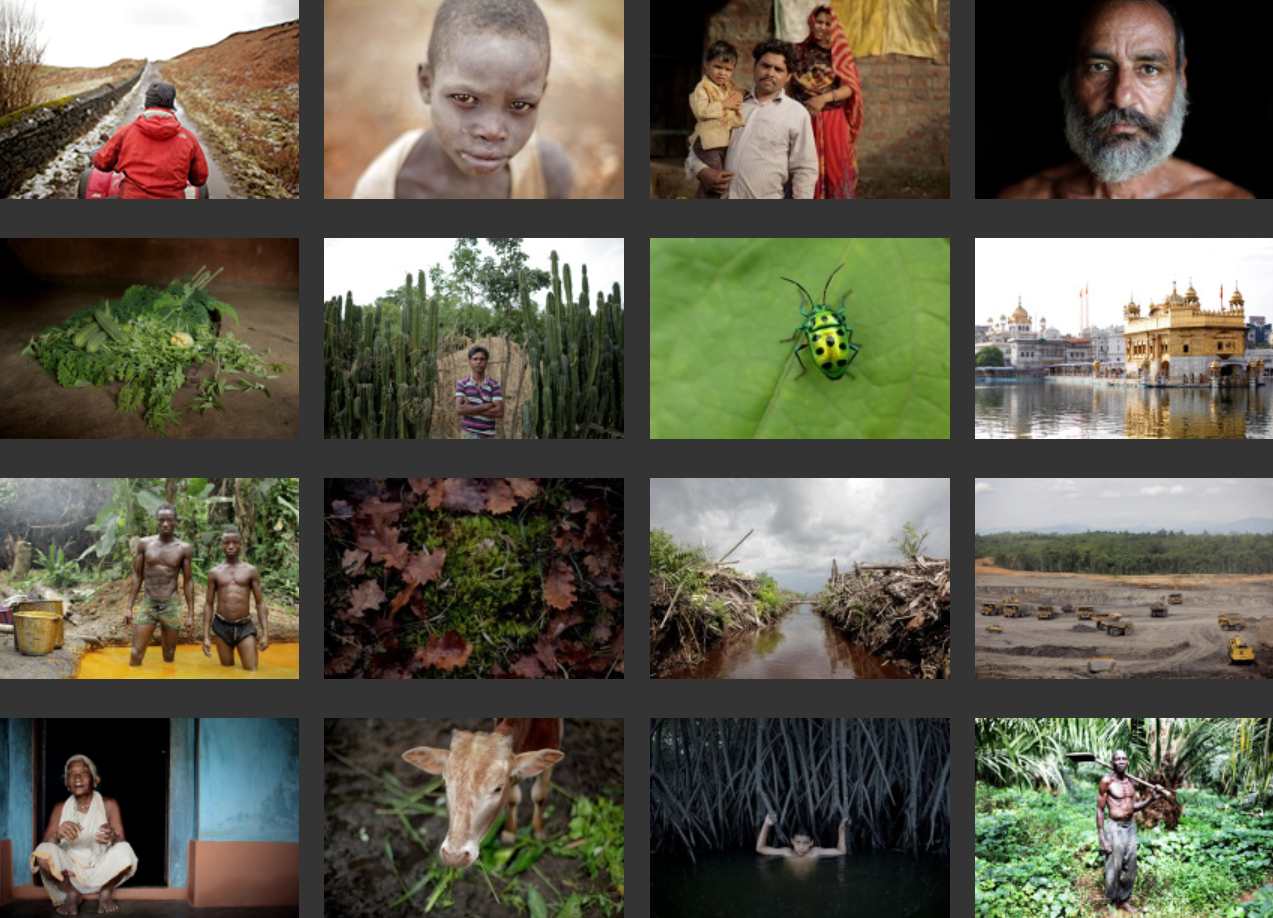

We now work with a variety of ethical organisations and companies to help communicate positive and informative media around issues faced by society.

We specialize in short for documentaries, from 10 seconds to 10 minutes, providing media for all platforms, photography, audio and film. After 15 years being based in Asia, we have now moved back to the UK to continue our work.

Jason Taylor and Chintan Gohil

UK Phone +44 (0) 7778283828
Skype jchindia
nomad_is@posteo.de
Vimeo Channel

Saturday, December 28, 2019

another decade comes to a close

As 2019 draws to a close wonder | wander | world pays homage to this dead language. We question what else is lost to us when a tongue dies.

Ancient Nahuatl Blessing

I release my parents from the feeling that they have already failed me.
I release my children from the need to bring pride to me; that they may write their own ways according to their hearts, that whisper all the time in their ears.
I release my partner from the obligation to complete myself. I do not lack anything, I learn with all beings all the time.
I thank my grandparents and forefathers who have gathered so that I can breathe life today. I release them from past failures and unfulfilled desires, aware that they have done their best to resolve their situations within the consciousness they had at that moment. I honor you, I love you and I recognize you as innocent.


I am transparent before your eyes, so they know that I do not hide or owe anything other than being true to myself and to my very existence, that walking with the wisdom of the heart, I am aware that I fulfill my life project, free from invisible and visible family loyalties that might disturb my Peace and Happiness, which are my only responsibilities.
I renounce the role of savior, of being one who unites or fulfills the expectations of others.
Learning through, and only through, LOVE, I bless my essence, my way of expressing, even though somebody may not understand me.
I understand myself, because I alone have lived and experienced my history; because I know myself, I know who I am, what I feel, what I do and why I do it.
I respect and approve myself.
I honor the Divinity in me and in you.
We are free.

Friday, December 20, 2019

tech tools for an ancient culture

This week's wonder | wander | world feature is an article by Deborah Bach in Microsoft's Story Lab about the ADLaM alphabet creators, brothers Abdoulaye and Ibrahima Barry.

It is the fantastical tale of how a new alphabet is helping an ancient people write its own future. https://news.microsoft.com/stories/people/adlam.html 

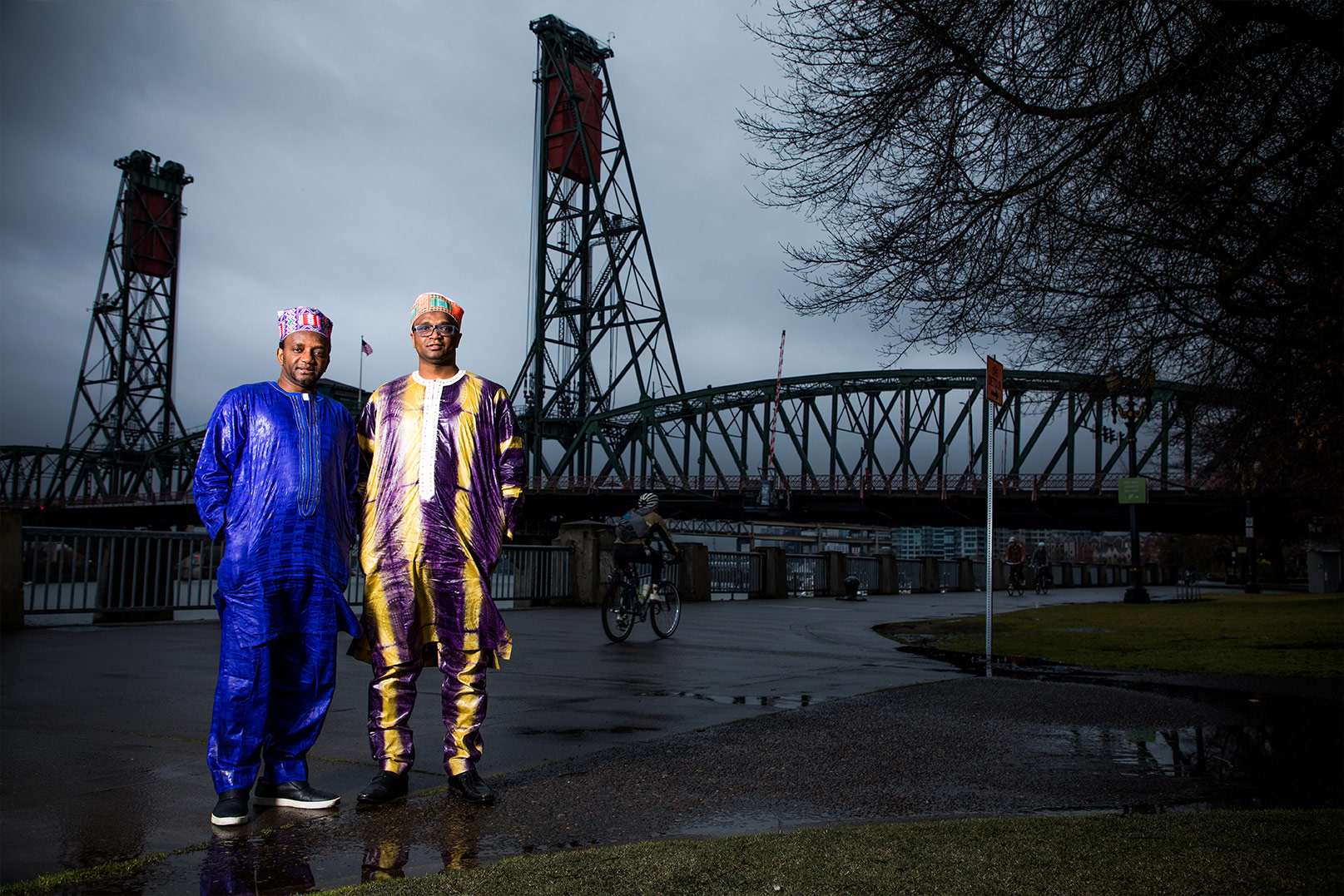
Photograph of brothers Ibrahima and Abdoulaye Barry in front of a bridge on the Willamette River in Portland, Oregon

When they were 10 and 14, brothers Abdoulaye and Ibrahima Barry set out to invent an alphabet for their native language, Fulfulde, which had been spoken by millions of people for centuries but never had its own writing system.


Watching their father Isshaga, decipher letters for friends and family, the brothers asked why their Fulbhe people didn’t have their own writing system. He replied that the only alphabet they had was Arabic.


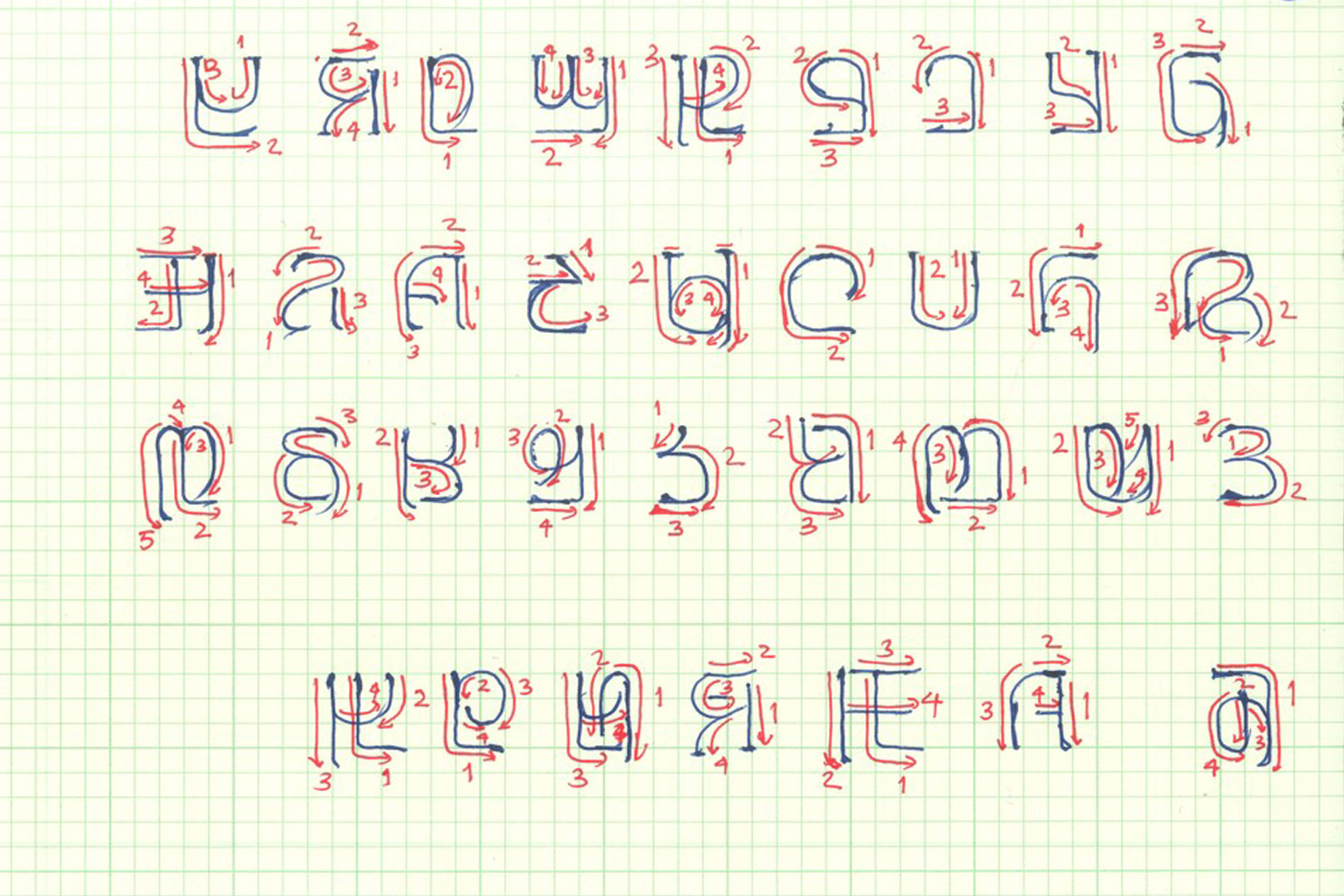
The brothers developed an alphabet with 28 letters and 10 numerals written right to left, later adding six more letters for other African languages and borrowed words.


Hand-drawn letters of the ADLaM alphabet

ADLaM is an acronym using the first four letters of the script for a phrase that translates to “the alphabet that will prevent a people from being lost.” The Unicode Technical Committee approved ADLaM in 2014 and the alphabet was included in Unicode 9.0, released in June 2016.

The brothers want ADLaM to be a tool for combating illiteracy, one as lasting and important to their people as the world’s most well-known alphabets are to cultures that use them. They have a particular goal of ADLaM being used to educate African women, who they said are more impacted by illiteracy than men and are typically the parent who teaches children to read.

ADLaM has fostered a grassroots learning movement fueled largely through social media. There are several ADLaM pages on Facebook, and groups with hundreds of members are learning together on messaging apps.

Abdoulaye and Ibrahima used to hear mostly about adults learning ADLaM, but increasingly it’s now children. Those children will grow up with ADLaM, using the script Abdoulaye and Ibrahima invented all those years ago in their bedroom.

Friday, December 13, 2019

bye bye Caroll Spinney - fly away home

As 2019 draws to a close bringing the last decade to an end wonder | wonder | world bids au revoir to master puppeteer Caroll Spinney. The man who brought to life our beloved Big Bird and Oscar the Grouch in the magical kingdom of Sesame Street.

big bird caroll spinney 13 In Memory: 10 Things About Caroll Spinney, the Master Puppeteer Behind Big Bird

Sunny Day

Sweepin’ the clouds away

On my way to where the air is sweet

Monday, December 9, 2019

Where do we belong?

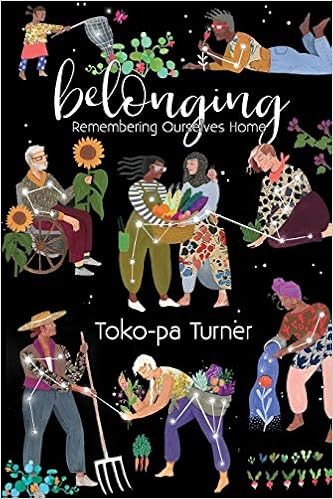
Feel like you don’t belong? You’re not alone.The world has never been more connected, yet people are lonelier than ever. Whether we feel unworthy, alienated, or anxious about our place in the world — the absence of belonging is the great silent wound of our times.

Most people think of belonging as a mythical place, and they spend a lifetime searching for it in vain. But what if belonging isn’t a place at all? What if it’s a skill that has been lost or forgotten?


With her signature depth and eloquence, Toko-pa maps a path to Belonging from the inside out. Drawing on myth, stories and dreams, she takes us into the origins of our estrangement, reframing exile as a necessary initiation into authenticity.

Then she shares the competencies of belonging: a set of ancestral practices to heal our wounds and restore true belonging to our lives and to the world.

2017 Nautilus Award Gold Winner
2018 Readers' Favorite Gold Winner
2018 Whistler Independent Book Award Finalist

Friday, November 29, 2019

unplugging this Thanksgiving weekend

"The Mushroom Hunters" by Neil Gaiman - read by Amanda Palmer with music by Jherek Bischoff -  is a feminist poem about the dawn of science.

Amanda Palmer with her reading as the audience packs into Pioneer Works (Photograph by Amanda Palmer)

Making it the perfect choice here at wonder | wander | world this quiet Thanksgiving weekend.


Enjoy this sweet little gem and let it nourish our outlook and approach this coming holidays.

Friday, November 22, 2019

near & dear

The NYTimes Op-Docs piece "From Here to Home" highlights five films on immigration and belonging. 


Writer Viet Thanh Nguyen, herself an immigrant, introduces the works with these heart piercing words: 


[T]hings happened not necessarily because we were refugees or Southeast Asian, but because we were human and did some of the same things that other Americans did. Our failures — and our successes — were due to our complicated humanity, not because of our ethnic or national origins.

To love, to laugh, to live, to work, to fail, to despair, to parent, to cry, to die, to mourn, to hope: These attributes exist whether we are Vietnamese or Mexican or American or any other form of classification. We share much more in common with one another than we have in difference.

And yet these differences — of color, religion, language, origin and so on — matter because we make them matter, or because others persuade or coerce us into believing in they matter.

Five short documentaries about the immigrant experience in America appearing in The Times’s Op-Docs series testify to both the depth of our shared humanity and the height of the walls separating us.


[O]ur entire American generation, which has the unique experience of watching the American empire peak and decline is running out of time. Our national midlife crisis, our sense of our slipping global power, can drive us to act out or to examine ourselves.

We act out by longing for enemies to conquer in the vain hope that this will restore our greatness, and we mistake immigrants and refugees for those enemies. But if we are mature enough to examine ourselves, we can both celebrate the accomplishments of American culture and also acknowledge — and maybe even atone for — its terrible deeds.


We can help to make up for these tragedies by doing two things that foes of immigration argue are incompatible: renewing our commitment to the most marginalized Americans who are already here, and welcoming the immigrants and refugees who regenerate us. But we don’t have a lot of time.